
After-School Languages (English)
HomeAfter-School English
Our after-school English activity is designed so that children enjoy effective, natural learning. We achieve this by combining the Communicative Approach with full language immersion, making sure pupils learn English in a practical, authentic way and improve their communication skills through real, everyday situations.

“A different language is a different vision of life.” — Federico Fellini, film director.
After-School Languages (English)
- Boosts natural learning through language immersion.
- Increases opportunities for real, spontaneous conversation.
- Applies playful, dynamic teaching strategies.
- Builds confidence in communicating in English.
Benefits of After-School Languages (English)

Increases exposure to the foreign language, reinforcing children’s language skills.

Provides a space where children get real, interactive, relaxed conversation and practise English in a less structured way.

Uses teaching strategies based on play and role-play.

Improves children’s confidence in expressing themselves in a more relaxed setting and taking part in playful activities.
Would you like to request a different activity? Get in touch with us!
Other after-school activities
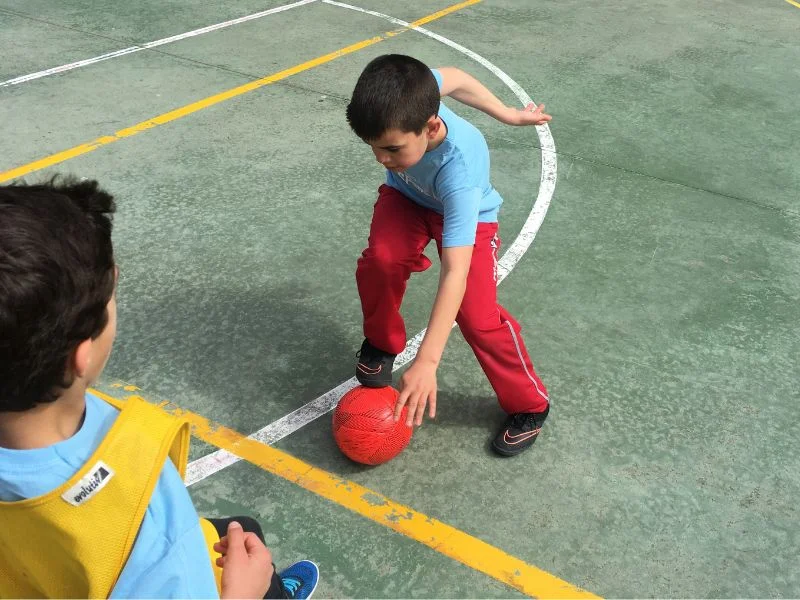 after-school footballInspire children to enjoy football while improving their technique and, above all, their team spirit.read more →
 after-school BasketballMotivate boys and girls to be physically active and to develop speed of movement and tactical thinking.read more →
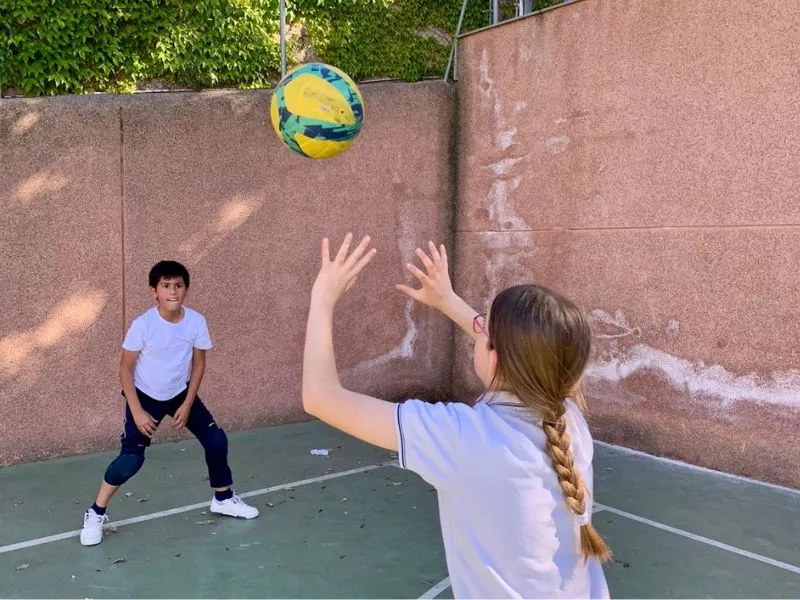 After-school VolleyballSpark children’s interest in a sport that combines agility with working together.read more →
 After-school MultisportGive children a space to fall in love with physical activity and discover what they enjoy.read more →
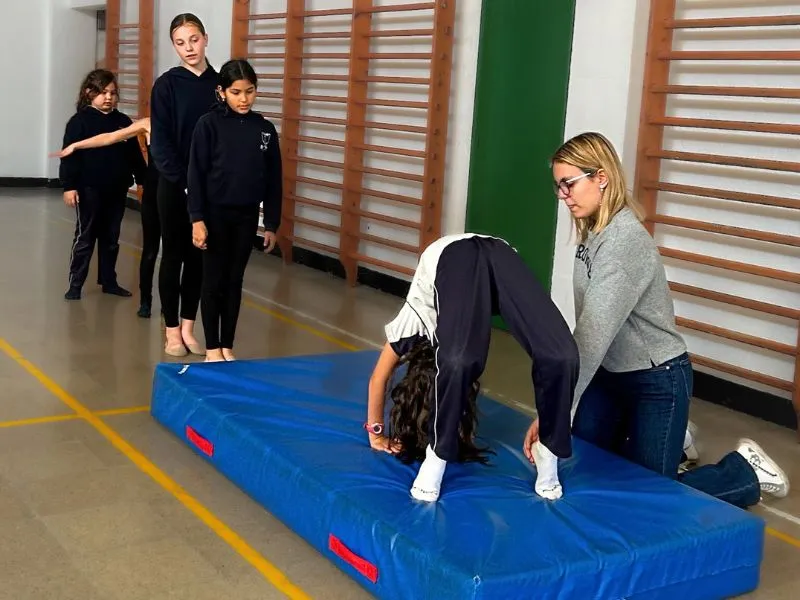 after-school rhythmic gymnasticsEncourage physical expression, agility and artistic creativity in children, set to music.read more →
 English Connection WeekImmerse your pupils in an exciting English Connection Week without leaving the classroom.read more →
 after-school DanceEncourage children’s expressive movement and the discovery of different dance figures to the rhythm of the music.read more →
 After-school Stories and CraftsImmerse boys and girls in a world of fun, educational stories, with plenty of art along the way.read more →
 after-school AIEncourage young people to step into the world of Artificial Intelligence and help them get ready for the future.read more →
 AI Training for TeachersMake the most of your teaching skills and prepare today for tomorrow’s classrooms.read more →
 ServiceMorning care serviceStart the day with warmth and security. The best setting for your children before school.read more →
 ServiceSupervision for school tripsExpert supervision for unforgettable educational experiences on school trips.read more →
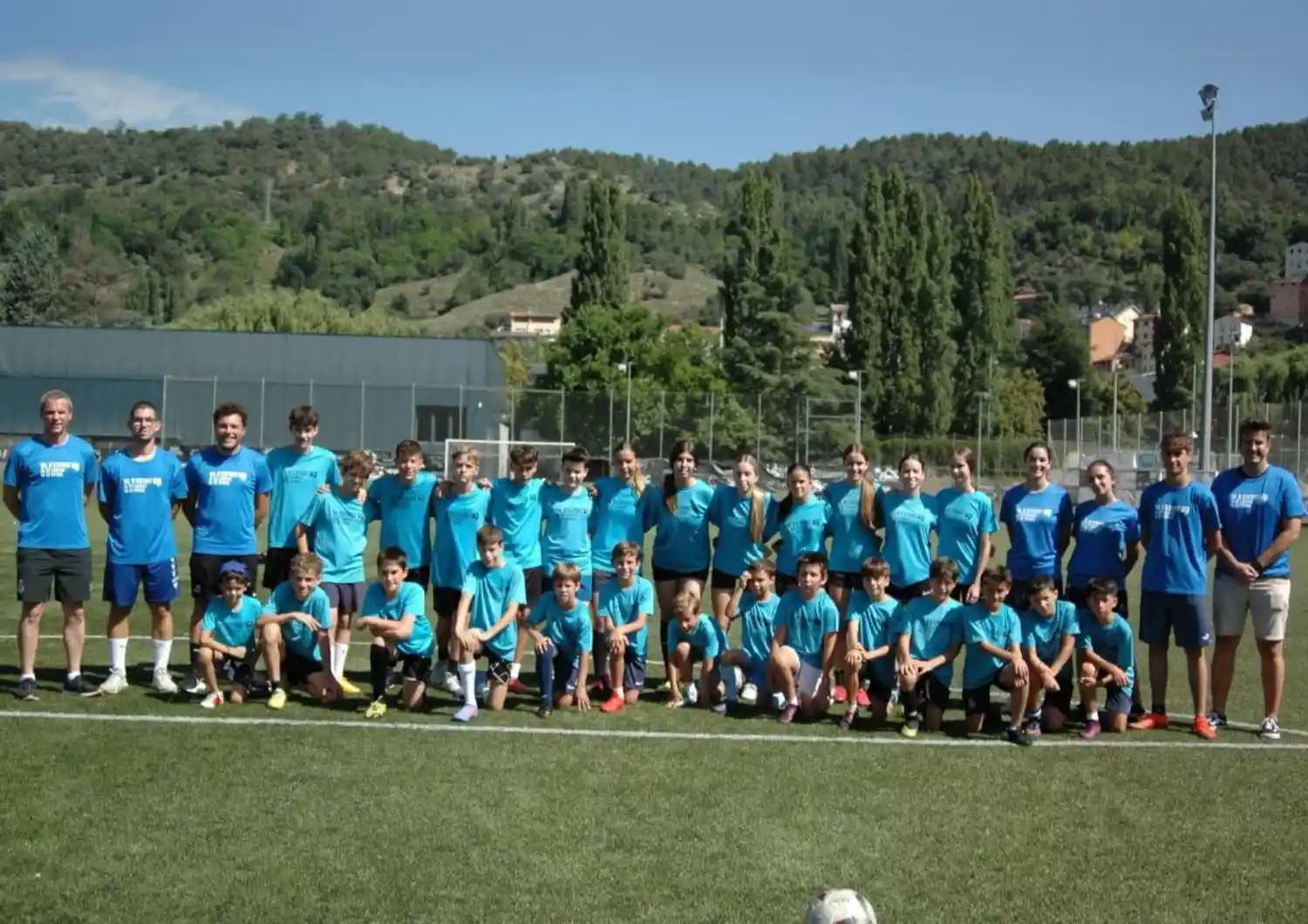 ServiceSports campsAdventure and learning for children. Unique activities every year for an unforgettable summer.read more →
There are no activities in this category.
Frequently asked questions
Frequently asked questions
When does the after-school English activity take place?
The English activity can run at lunchtime or in the afternoon, depending on what best suits the school’s organisation and families’ needs.
What teaching approach is used in the after-school English classes?
We follow a combined approach that brings together the Communicative Method and full immersion. That means classes are taught entirely in English and designed to encourage real, meaningful communication. Through everyday situations, games, projects and authentic materials, pupils learn naturally, practically and in context.
What are the benefits of learning English as an after-school activity?
English as an after-school activity reinforces language learning outside the curriculum, improves confidence in speaking, stimulates critical thinking, boosts creativity and gives children a long-term advantage in their education and professional life. It also supports the development of social and communication skills in a playful, stimulating setting.
What kind of activities take place during the English classes?
Sessions combine communicative tasks, interactive games, spoken and written activities, role-plays, songs, presentations, project work and much more. The aim is to encourage practical use of the language in real, enjoyable situations.
Who teaches the after-school English activity?
Teachers have a level of English appropriate to the group they teach, teaching experience and specific training in active methodologies for language teaching. We prioritise people who can connect with pupils and create a warm, motivating atmosphere.