
AI Training for Teaching Staff
HomeArtificial Intelligence for teachers
Are you a teacher who wants to master Artificial Intelligence and make the most of what it offers? Our AI training for teaching staff answers everything you need to know.
In just 3 hours of training you will discover how to make the most of every AI tool, enriching your teaching and preparing your pupils for tomorrow’s challenges.
Our AI training is designed specifically for educators. It aims to drive innovation in the classroom and give teachers advanced skills for understanding how Artificial Intelligence applies to education and for building its tools into lesson planning.

“Teaching is a form of sharing. If you can, teach.” — Maya Angelou, writer and civil rights advocate.
METHODOLOGY
The training is designed to give teaching staff a clear, practical, up-to-date view of Artificial Intelligence (AI) and its impact on education.
Different strategies are combined to support meaningful learning and the practical classroom application of everything covered.
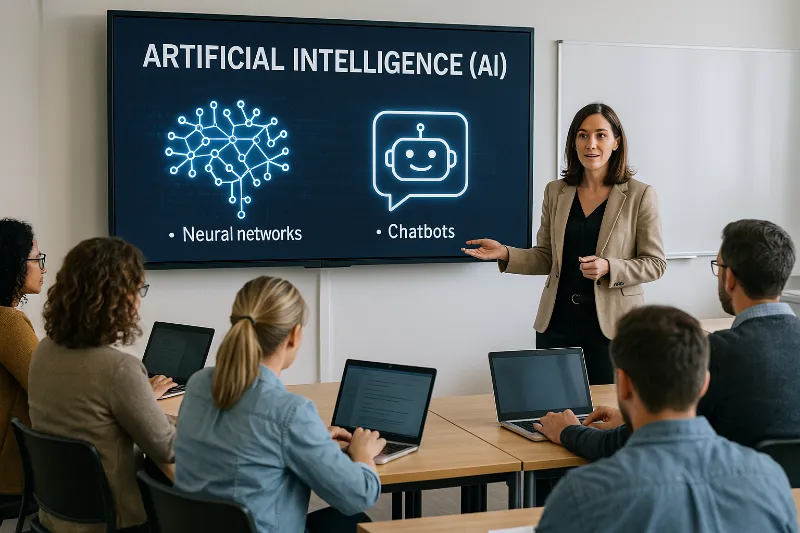
Participatory introduction and first contact
Gathering teachers’ impressions in order to adapt the approach and the starting point.
Clear, contextualised theory
Content and key concepts for understanding what AI is and how it can be adapted to an educational setting.
Real examples and use cases in education
Hands-on contact with AI applications and tools. Analysis of how pupils use them.
Practical activities and critical analysis
Exercises to encourage critical thinking and reflection on the use of AI in an educational context.
Suggestions for applying it
Concrete resources are provided for continuing to learn independently.
Course information
| DURATION |
|
|---|---|
| CONTENTS |
|
Would you like to request a different activity? Get in touch with us!
Other after-school activities
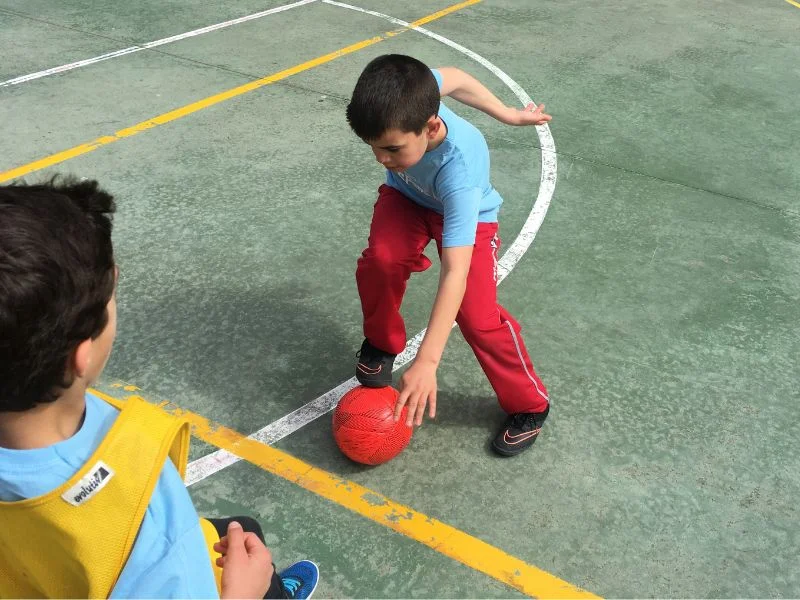 after-school footballInspire children to enjoy football while improving their technique and, above all, their team spirit.read more →
 after-school BasketballMotivate boys and girls to be physically active and to develop speed of movement and tactical thinking.read more →
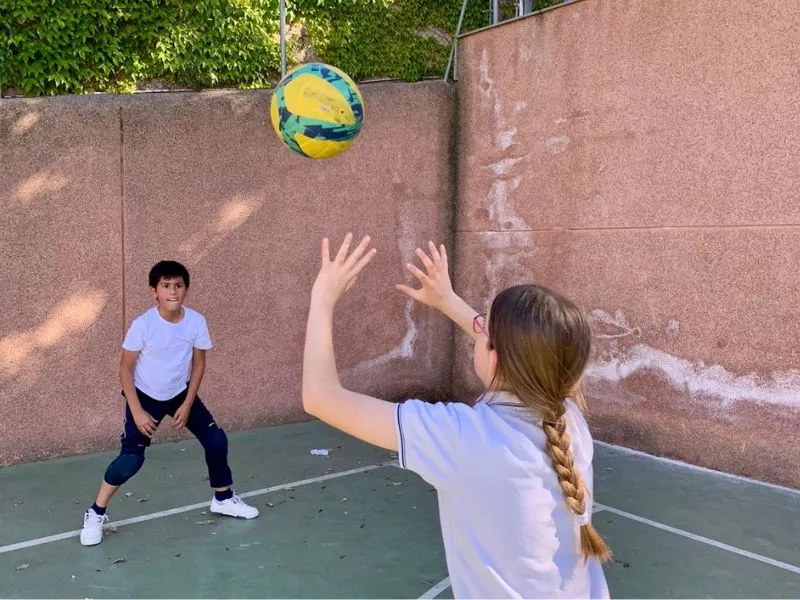 After-school VolleyballSpark children’s interest in a sport that combines agility with working together.read more →
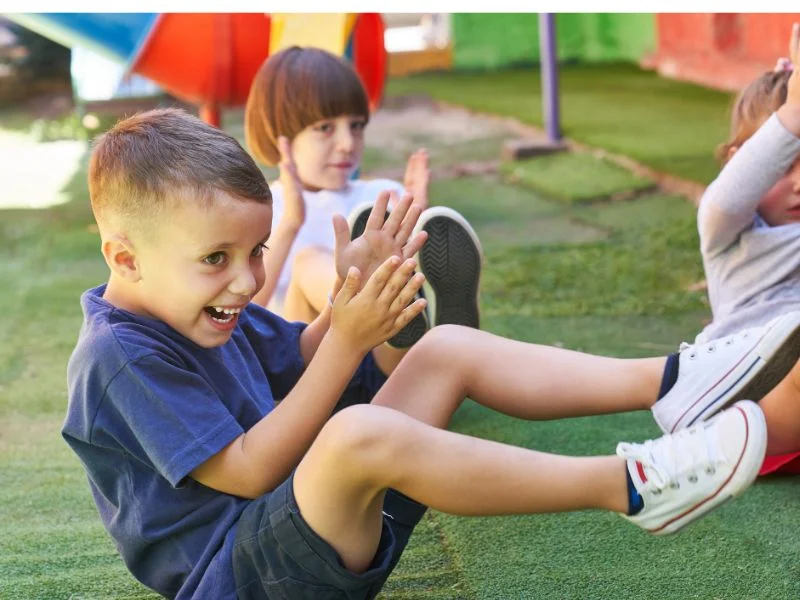 After-school MultisportGive children a space to fall in love with physical activity and discover what they enjoy.read more →
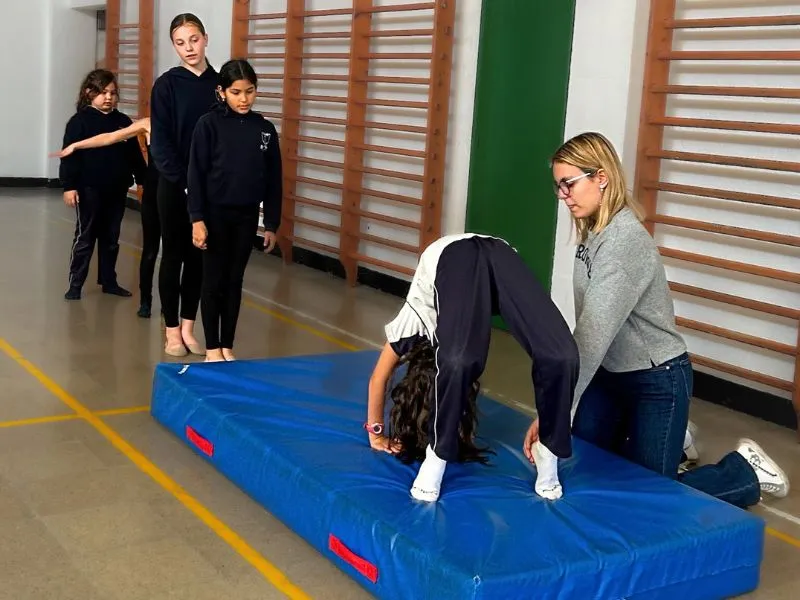 after-school rhythmic gymnasticsEncourage physical expression, agility and artistic creativity in children, set to music.read more →
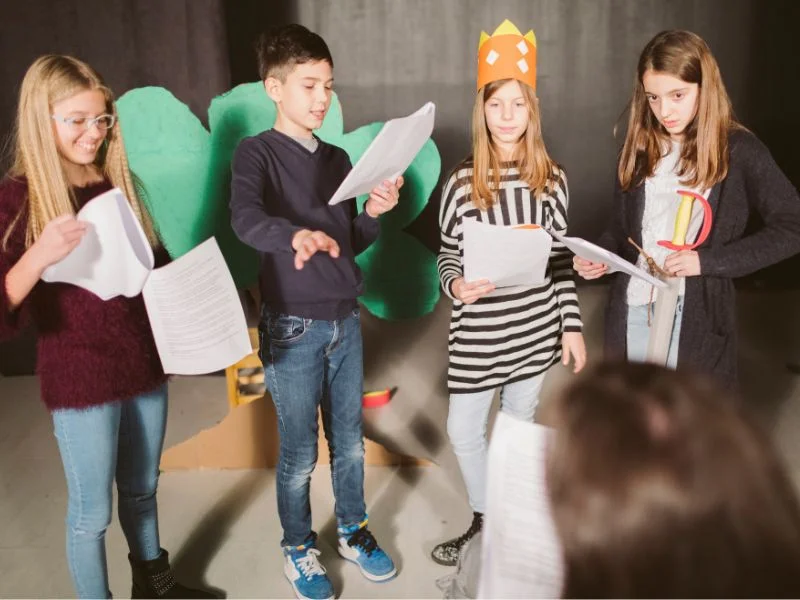 After-school languagesMotivate children to enjoy learning new languages and to improve their communication skills.read more →
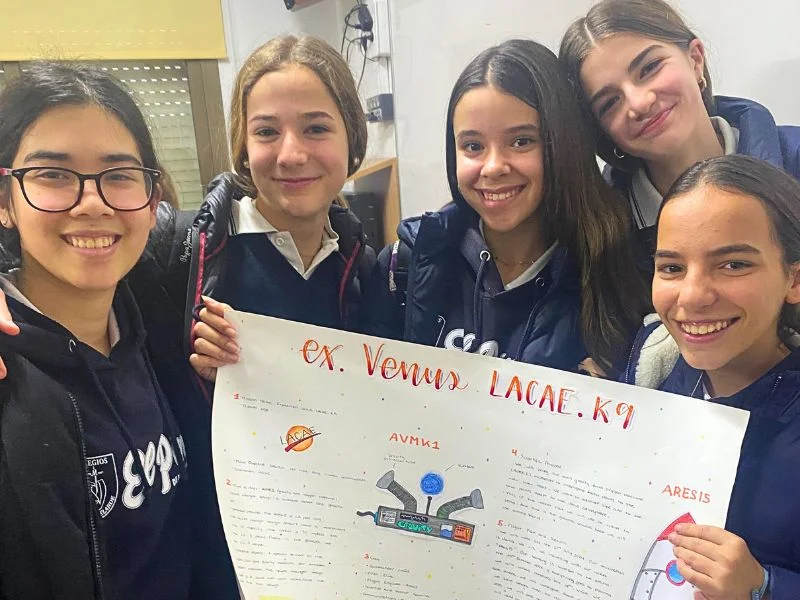 English Connection WeekImmerse your pupils in an exciting English Connection Week without leaving the classroom.read more →
 after-school DanceEncourage children’s expressive movement and the discovery of different dance figures to the rhythm of the music.read more →
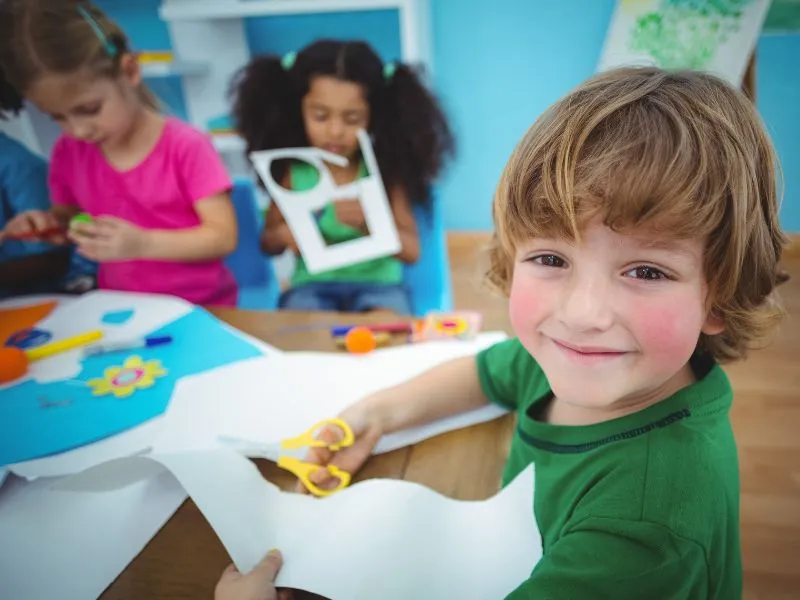 After-school Stories and CraftsImmerse boys and girls in a world of fun, educational stories, with plenty of art along the way.read more →
 after-school AIEncourage young people to step into the world of Artificial Intelligence and help them get ready for the future.read more →
 ServiceMorning care serviceStart the day with warmth and security. The best setting for your children before school.read more →
 ServiceSupervision for school tripsExpert supervision for unforgettable educational experiences on school trips.read more →
 ServiceSports campsAdventure and learning for children. Unique activities every year for an unforgettable summer.read more →
There are no activities in this category.
Frequently asked questions
Frequently asked questions
How is artificial intelligence being used in education?
AI makes it possible to personalise learning, automate repetitive tasks and improve accessibility. It is used in virtual tutors, adaptive platforms, content generation and machine translation, always as a support to the teacher’s work.
Will AI replace teachers?
No. Artificial intelligence is a support tool. The teacher’s role remains essential in guiding, motivating and supporting pupils in their critical and human development.
What benefits does AI bring to teaching staff?
It makes preparing materials, automatic marking, personalising teaching and optimising lesson time easier. That frees the teacher to focus on individual attention and on pedagogical innovation.
What risks come with introducing AI into the classroom?
The main risks include algorithmic bias, data privacy, technological dependence and a possible reduction in critical thinking. Teacher training must include an ethical, responsible perspective to minimise these risks.
What skills should a teacher acquire in AI?
It is essential to understand the fundamentals of artificial intelligence, to know its educational applications, and to develop techno-pedagogical skills (the TPACK model) that balance content, pedagogy and technology.
How should AI training for teachers be structured?
Training should be flexible, practical and contextualised, adapted to the level and role of the teaching staff. It must include basic technical aspects, pedagogical uses, ethical considerations and current regulation.
Which legal and ethical frameworks govern the use of AI in education?
The main ones are the European Union’s Artificial Intelligence Act and UNESCO’s Recommendation on the Ethics of Artificial Intelligence (2021). Both put the focus on transparency, fairness, privacy and human oversight.
Are there recommended training programmes or resources?
Yes. There are free and specialist courses, as well as pilot schemes in school communities that have shown positive results. These initiatives help teachers adopt AI with a critical, responsible and pedagogical approach.