
After-School Rhythmic Gymnastics
HomeAfter-School Rhythmic Gymnastics Activity
Discover the charm of rhythmic gymnastics. This after-school activity is a blend of art and sport that encourages physical expression and creativity set to music. Its key benefits are improved flexibility and posture and the development of rhythm and coordination, while awakening artistic creativity in every jump and turn.
Our after-school rhythmic gymnastics sessions use playful exercises, choreography practice and gymnastics apparatus such as clubs and ribbons. Everything in this activity is designed so that children not only develop the technique itself, but also build self-confidence, improve coordination and agility, and take on the sporting values of effort and perseverance.
We want the after-school rhythmic gymnastics sessions to be a fun, enjoyable experience, focused on taking part rather than on competing, and supporting emotional regulation.
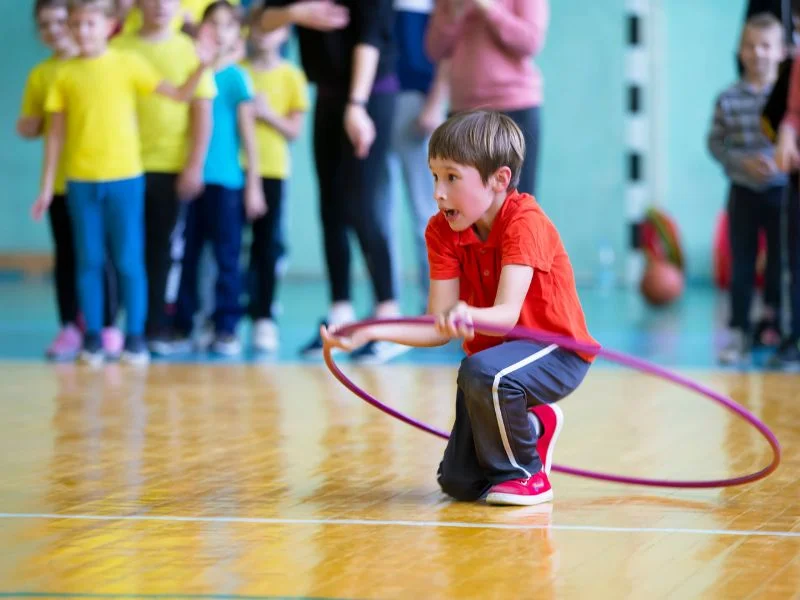
“Gymnastics has taught me that anything is possible if you work hard and put your heart into what you do.” – Aly Raisman, Olympic gymnast.
4 keys to after-school rhythmic gymnastics:
- Increases suppleness and improves postural balance.
- Develops timing and motor skill.
- Sparks inventiveness through choreography and handling apparatus.
- Builds self-confidence and instils values such as persistence and perseverance.
Benefits of After-School Rhythmic Gymnastics:

Develops flexibility and agility exceptionally well.

Increases body strength and control over one’s own movements.

Encourages creativity and memory through learning different routines and discovering new movements.

Teaches the value of persistence in working towards a movement and sharpens concentration at every step.
Would you like to request a different activity? Get in touch with us!
Other after-school activities
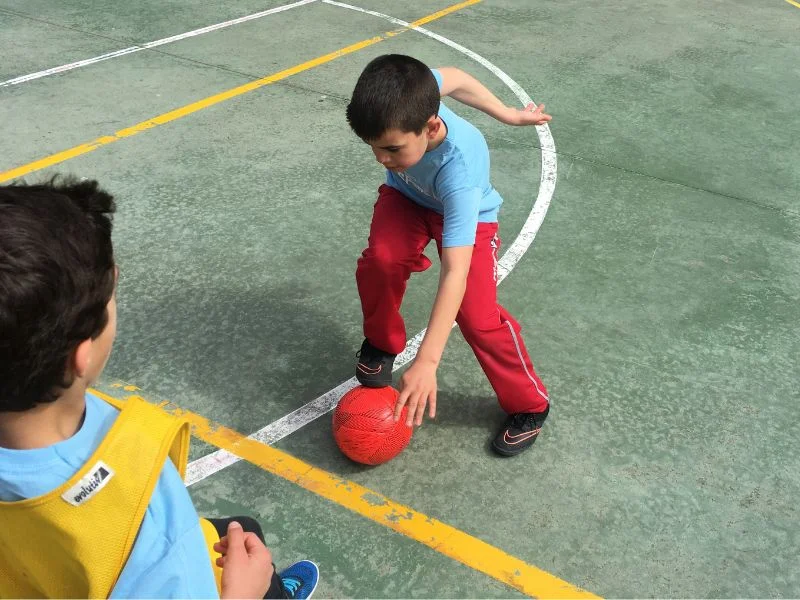 after-school footballInspire children to enjoy football while improving their technique and, above all, their team spirit.read more →
 after-school BasketballMotivate boys and girls to be physically active and to develop speed of movement and tactical thinking.read more →
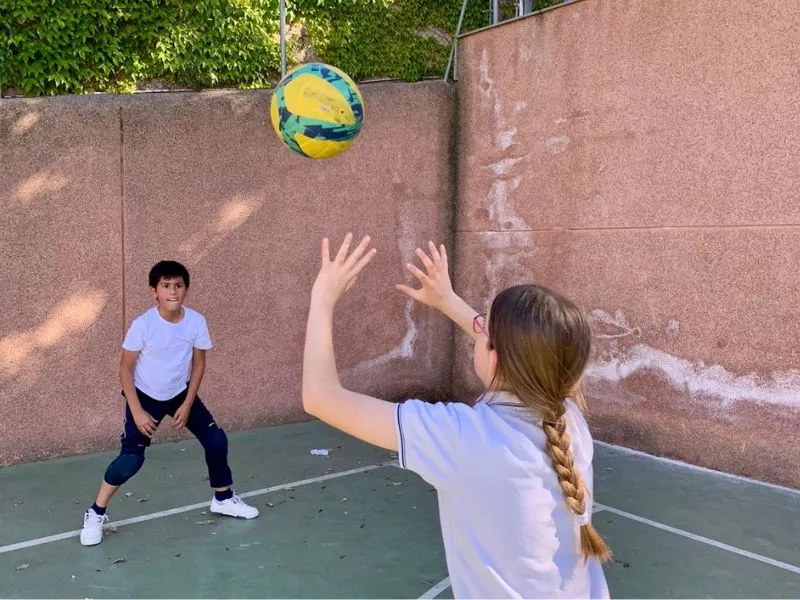 After-school VolleyballSpark children’s interest in a sport that combines agility with working together.read more →
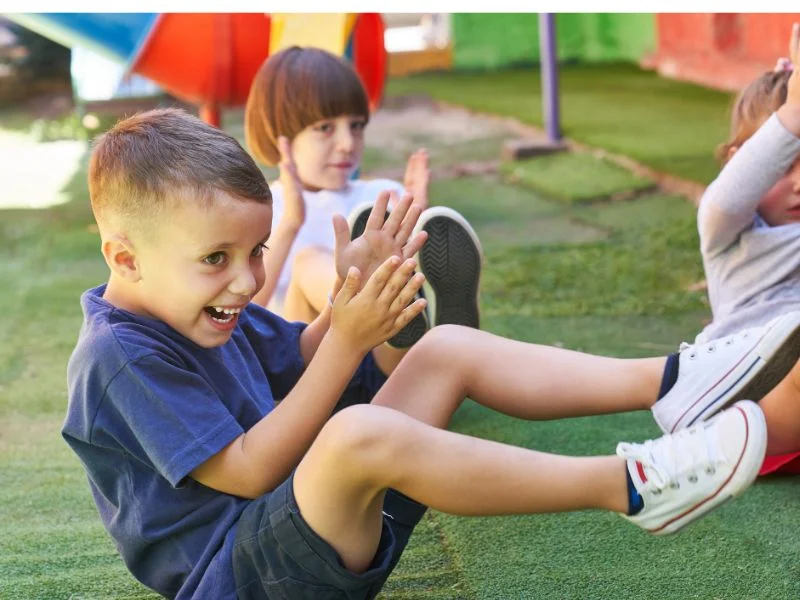 After-school MultisportGive children a space to fall in love with physical activity and discover what they enjoy.read more →
 After-school languagesMotivate children to enjoy learning new languages and to improve their communication skills.read more →
 English Connection WeekImmerse your pupils in an exciting English Connection Week without leaving the classroom.read more →
 after-school DanceEncourage children’s expressive movement and the discovery of different dance figures to the rhythm of the music.read more →
 After-school Stories and CraftsImmerse boys and girls in a world of fun, educational stories, with plenty of art along the way.read more →
 after-school AIEncourage young people to step into the world of Artificial Intelligence and help them get ready for the future.read more →
 AI Training for TeachersMake the most of your teaching skills and prepare today for tomorrow’s classrooms.read more →
 ServiceMorning care serviceStart the day with warmth and security. The best setting for your children before school.read more →
 ServiceSupervision for school tripsExpert supervision for unforgettable educational experiences on school trips.read more →
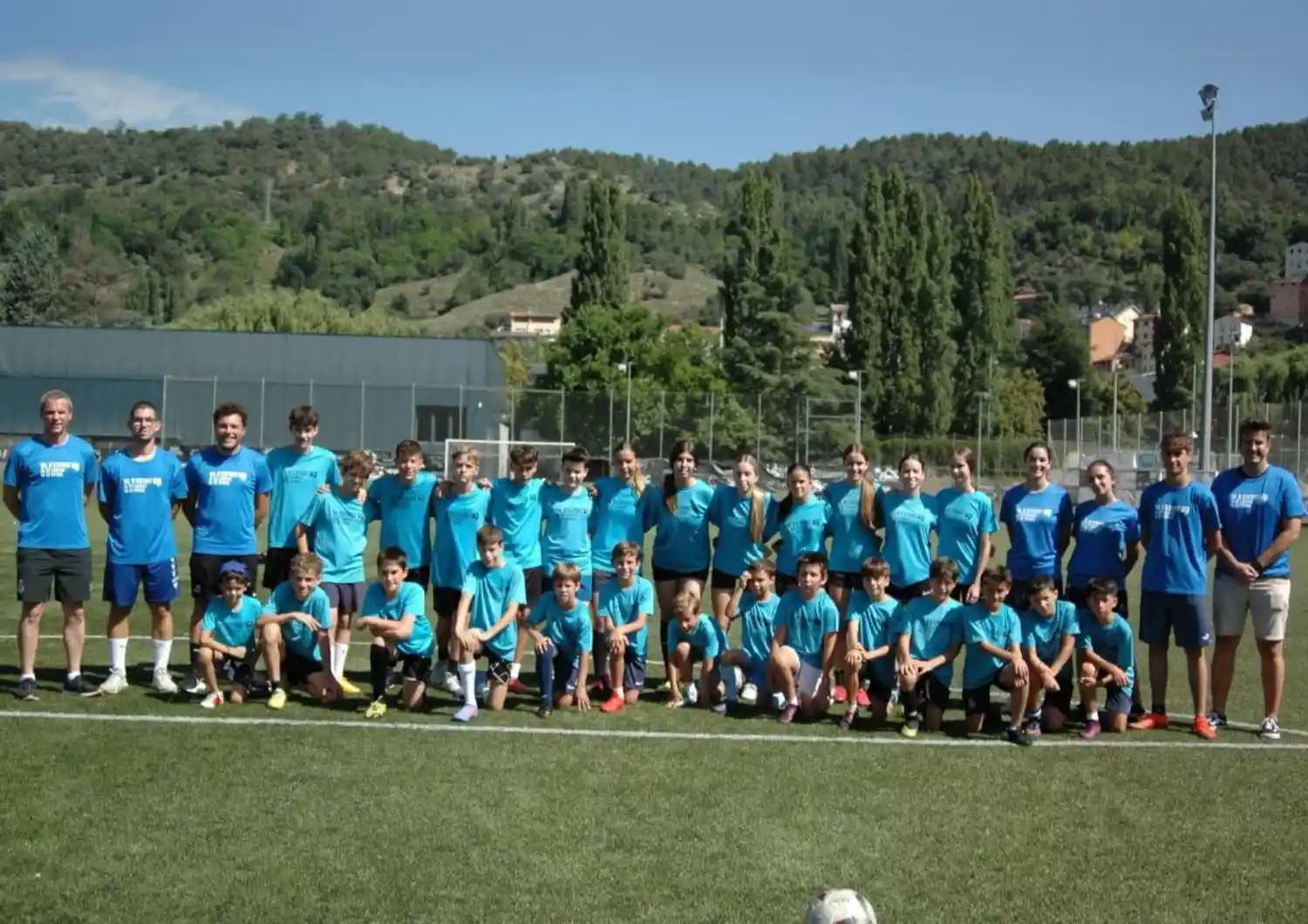 ServiceSports campsAdventure and learning for children. Unique activities every year for an unforgettable summer.read more →
There are no activities in this category.
Frequently asked questions
At what age is it recommended to start rhythmic gymnastics?
Children can start from the age of 4 in an adapted format, with playful activities that work on coordination, balance and rhythm. From the age of 6, more structured exercises and the discipline’s own routines can be introduced.
What benefits does rhythmic gymnastics bring as an after-school activity?
It is an ideal activity for working on body awareness, flexibility, coordination, rhythm and artistic expression. It supports self-esteem, concentration and teamwork. It also helps improve posture, agility and control of one’s own body.
What kit or clothing is needed?
All you need is comfortable clothing that allows movement (leggings, a T-shirt or a fitted leotard) and non-slip socks. We provide the rest of the equipment.
What are the timetable and the price of the activity?
Rhythmic gymnastics sessions take place at the school itself, at times set according to the school’s availability and families’ needs. The price may vary depending on the number of training days per week. The fee covers not only the regular classes but also the educational follow-up of each child and occasional events such as displays and open days.
Who teaches the sessions, and what training do they have?
Summit360’s rhythmic gymnastics team is made up of enthusiastic coaches committed to the sporting education of the youngest pupils. Many of them have practised the sport at clubs or specialist schools. All of them are experienced and follow a teaching plan designed to support each child’s motor development, discipline and confidence.
How and when does registration take place?
Registration depends on each school. At Summit360 we have an online registration form that we provide to the school, although in some cases the process is handled internally by the AFA or the school management. We recommend asking the school directly about the specific procedure.