
How to become an after-school activities teacher
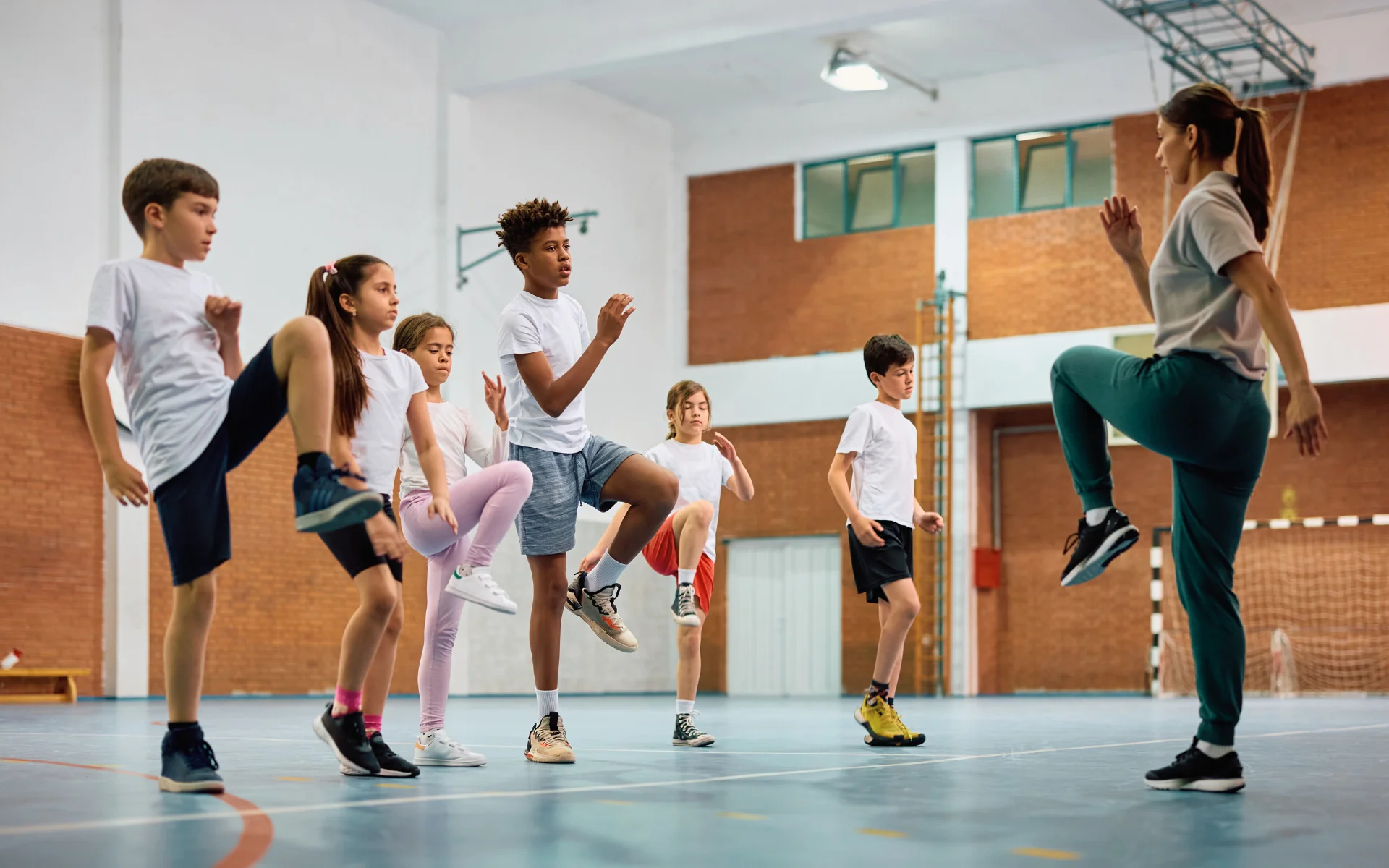
After-school activities are an invaluable source of learning for children and young people. These experiences let pupils develop in settings other than the classroom…
DISCOVER HOW TO BECOME AN AFTER-SCHOOL ACTIVITIES TEACHER
why after-school activities matter in the education of children and young people
After-school activities are an invaluable source of learning for children and young people. These experiences let pupils develop in settings other than the traditional classroom, building essential skills such as teamwork, managing emotions and specific competences that can have a positive influence on their personal and professional future.
The benefits, however, are not the pupils’ alone. Monitors of after-school activities also find a unique opportunity for learning and personal growth. Being an educator in extracurricular activities is an experience that means taking responsibility for guiding a group of children, helping them enjoy themselves, learn and flourish. The role teaches not only how to find effective ways of communicating, but also how to learn from children’s simplicity and spontaneity.
For young people interested in teaching or in working with children, being an after-school activities monitor is a rewarding experience that combines teaching, learning and a positive impact on future generations.
Key requirements for becoming an after-school activities teacher
An activities monitor needs certain personal and professional qualities in order to do the job well:
- Energy and enthusiasm: Working with children requires drive and a positive attitude.
- Empathy: Understanding pupils’ emotions and needs is essential.
- Ability to teach: Knowing how to pass on knowledge clearly and in a motivating way.
- Communication skills: Building a good relationship with both the children and their families.
- Conflict resolution: Knowing how to handle disagreements or difficulties within the group.
- A desire to improve: Being willing to keep getting better at the job.

The personal and professional skills that make the difference
Being an educator in extracurricular activities involves far more than teaching. Some additional skills that stand out in this role are:
- Camaraderie: Creating an atmosphere where children feel supported and valued.
- Empathy and understanding: Recognising each child’s difficulties and motivating them to improve.
- Conflict resolution: Helping pupils handle disagreements and learn from those experiences.
- Motivation: Inspiring children who are less able or less confident.
- Attention to families: Answering their questions professionally and showing genuine interest in pupils’ wellbeing.
Explore ourafter-school activities and find out where you could shine.
The training and certification you need
The training needed to become an activities monitor varies depending on the discipline and the setting, but some key points are:
- Demonstrating specific skills: It is essential to have a good command of the subject you want to teach (whether sport, art, languages and so on).
- Specific certifications: Some activities require particular qualifications, such as the CIATE in sport or language certificates such as First or Advanced.
- Play leader courses: This kind of training is essential in many cases in order to work with school groups.
The difference between a teacher and an after-school activities monitor
Although they share the aim of teaching, after-school activities monitors have a more flexible, informal role. Some key differences are:
- Working context: The activities take place outside school hours and have a freer, more motivating focus.
- Flexibility: The programme can be adapted to the group’s interests and abilities.
- No formal assessment: There are no exams or marks, which encourages pupils’ personal motivation.
- Compatible hours: Ideal for students or people with other commitments, since the activities usually take up only a few hours a week.
How to adapt to different working environments
The working environment for an after-school activities monitor depends on the activity and the age of the pupils. For example:
- Language monitors: Work in classrooms with a structured programme.
- Sports monitors: Run outdoor activities, encouraging movement and teamwork.
- Early years groups: Require special attention and a playful approach.
- Primary groups: Allow you to work on more advanced skills and encourage leadership.
Whatever the setting, the monitor is responsible for creating a positive, motivating atmosphere suited to the group’s needs.
Advice for keeping pupils motivated and interested
- Active listening: Identify the children’s interests and needs.
- Adapted activities: Design tasks that are challenging but achievable.
- Variety: Avoid monotony by alternating activities.
- An optimistic attitude: Convey energy and enthusiasm.
- Emotional intelligence: Spot and resolve problems constructively.

The personal and professional benefits of teaching after-school activities
Being an after-school activities monitor benefits not only the pupils but the educator too:
- Personal benefits:
- Building self-confidence.
- Improved interpersonal communication.
- Greater creativity in designing activities.
- Professional benefits:
- Acquiring group management skills.
- Leadership ability from coordinating and motivating.
- Experience in conflict resolution and adaptability.
Why not become an after-school activities monitor and enjoy a unique, rewarding experience? We look forward to receiving your CV
Work with us