
TEAM SPORTS FOR CHILDREN
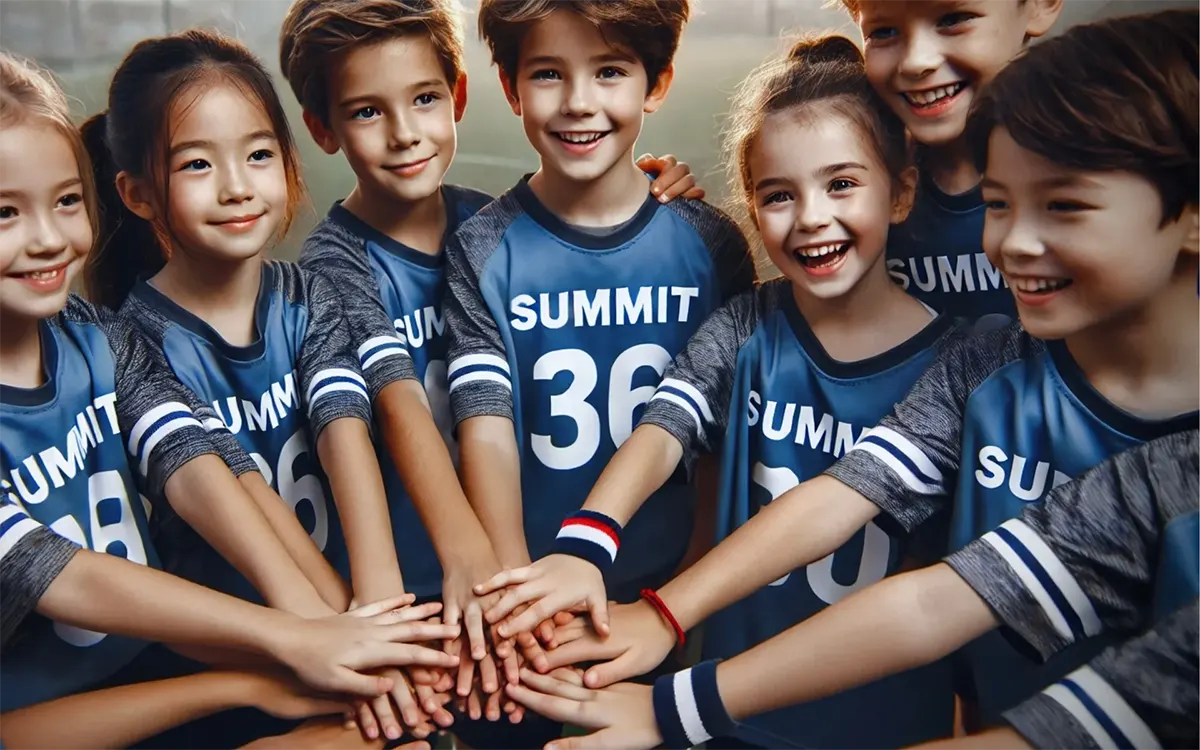
Team sports are an excellent way for children to stay active, discover and develop their passions and learn skills that are essential to their development. As well as encouraging…
TEAM SPORTS FOR CHILDREN: A COMPLETE GUIDE
An introduction to team sports for children
Team sports are an excellent way for children to stay active, discover and develop their passions and learn skills that are essential to their development. As well as encouraging healthy physical activity, team sport for children builds cooperation, discipline and a sense of belonging: values that matter a great deal to personal growth.
Team sport leans on the need to cooperate and work alongside the group. Emotional support and trust in the rest of the team develop game after game and settle those qualities in the children themselves. By working as a group they learn from others, their capacity to help one another grows, and they are encouraged to give their best amid healthy competition. Thriving in a group setting, our children also learn how to socialise and communicate, both on and off the pitch, not only with their teammates but with the adults they come into contact with, such as their coaches.
In this article we will look at the benefits of team sports, how to choose the right one for your child, and examples of popular sports and their advantages.
Benefits of team sports in childhood

Team sports for children offer a wide range of physical, emotional and social benefits. Some of the most notable are:
- Social skills: They encourage teamwork, communication and respect for others. Children learn to cooperate, share and support their teammates.
- Mental health: Sport helps reduce stress and anxiety, improves self-esteem and teaches children to handle pressure and competition in a healthy way.
- Physical development: They help improve coordination, stamina, strength and agility, contributing to a healthy lifestyle and to preventing illnesses linked to inactivity.
- Discipline and responsibility: Taking part in team sports means keeping to timetables, following rules and respecting teammates and coaches.
Discover all the benefits of physical activity for children in our previous article.
The best team sports for children

There are many team games, but some stand out for their benefits and their popularity with children. Here we look at three of the most common:
- Football
Football is one of the most popular sports in the world. It is an excellent choice for improving cardiovascular stamina and coordination. Because it is a group physical activity, it also encourages teamwork and strategy. Children who play football learn to make quick decisions and to trust their teammates. - Basketball
Basketball is ideal for developing agility, hand-eye coordination and physical stamina. But the benefits are not only physical: players have to learn to work together towards the common goal of scoring points, which encourages communication and cooperation. - Volleyball
Volleyball is another team sport that requires coordination, quick reflexes and good communication. It is perfect for improving agility and teamwork, since every player has to be aligned and in sync for the team to succeed.
Discover the team sports for children that we offer
How to choose the right sport for your child
Choosing the right sport for your child can be a challenge, but there are several factors worth considering:

- Personal interests: Talk to your child to find out which sport appeals to them most or makes them curious. Notice what catches their attention.
- Physical strengths: Some children are faster, while others have more strength or agility. Notice their natural physical abilities.
- Free trials: Make the most of taster days so that children can try things out before committing.
- Put enjoyment first: Prioritising their enjoyment and their excitement is a factor that must come first. Making sure they enjoy playing that sport will start a lifelong taste for physical activity and healthy living.
The impact of team sports on social and emotional development
Team sports do not only benefit physical development; they also have a positive impact on children’s social and emotional growth. They learn to trust others, to communicate and to handle both success and failure.
Let us look at how these experiences teach them to build healthy relationships, resolve conflicts and develop a resilient mindset:
- They learn important values
Feeling part of a team, and being part of one, will teach your child important values that will guide them through their teenage years and into adulthood:- Respect: for coaches, teammates, opponents and referees.
- Discipline: to follow the rules of the game and support teamwork.
- Patience: from having to work alongside other players towards a shared goal despite their personal differences.
- Generosity: from understanding that the good of the team always comes before their own needs or wishes.
- They build self-confidence
Acquiring a new skill is a great way to build self-confidence and, when it happens within a team, that confidence grows even further. Team sports teach children to face difficulties and challenges, seeing them not as problems but as opportunities to improve and overcome. - They improve communication skills
Communicating with others is a crucial skill in any team sport. Important social skills include knowing when to stay quiet and listen, and when to speak up and give an opinion. We should not forget non-verbal communication either, which matters just as much during play: body language, eye contact and facial expressions take on great importance in every team sport. - They encourage social interaction
One of the most effective ways to make new friends is to join a sports team. Your child will get the chance to meet teammates from different places, with different backgrounds and cultures. They will learn to be tolerant, to accept others and to build bonds with children outside their usual circle. Most importantly, they will feel part of a group and build a wider network of friendships. - Memories that last for ever
The wins and losses we experience in sport, the friendships we make and the lessons we learn on the pitch stay with us for ever. Being part of a sports team and making the most of all the physical, mental, emotional and social benefits it offers is a valuable experience that every child should have the chance to enjoy.
In short: happier children
Team sports do not only support physical, social and emotional development; they are also a source of happiness for children, even from a physiological point of view.
Regular exercise plays a crucial role in mood. When we play sport, the body releases endorphins, those natural chemicals that lift the mood, reduce stress and anxiety and improve self-esteem. At the end of every training session or match, children will not only have grown as people but will feel happier, more positive and more relaxed.

Inspiring examples of transformation through sport
There are many inspiring stories of children who have transformed their lives through team sports. From building confidence to overcoming personal challenges, sport has been a key tool in helping many young people find their passion and develop as rounded individuals. Some children, for example, have found in football a place to make friends and learn to work as a team, while others have discovered a passion for basketball that has helped them overcome shyness.



Practical advice for parents and coaches
- Encourage enjoyment: The most important thing is that the child enjoys the sport. Do not push too hard on performance; learning and fun should be the priorities.
- Support and communication: Keep an open conversation with the children to understand how they feel about the sport and the team.
- Encourage participation: Get involved by attending matches or special events, and value their effort by celebrating what they achieve.
- Encourage fair play: Teach — especially by your own example — the importance of respecting teammates, coaches and opponents.
Conclusion: the lasting value of team sports for children
Team sports offer children an invaluable opportunity to develop physically, socially and emotionally. As well as keeping them active and healthy, they give them essential life skills such as communication, teamwork and discipline. By choosing the right sport and supporting children as they take part, you can make sure they enjoy and learn as much as possible from this rewarding experience.
At Summit360 we believe in the power of sport to transform lives, and we are committed to offering activities that support children’s all-round development. We hope this guide inspires you to encourage your children to take up team sport and discover all the benefits it can bring them.